



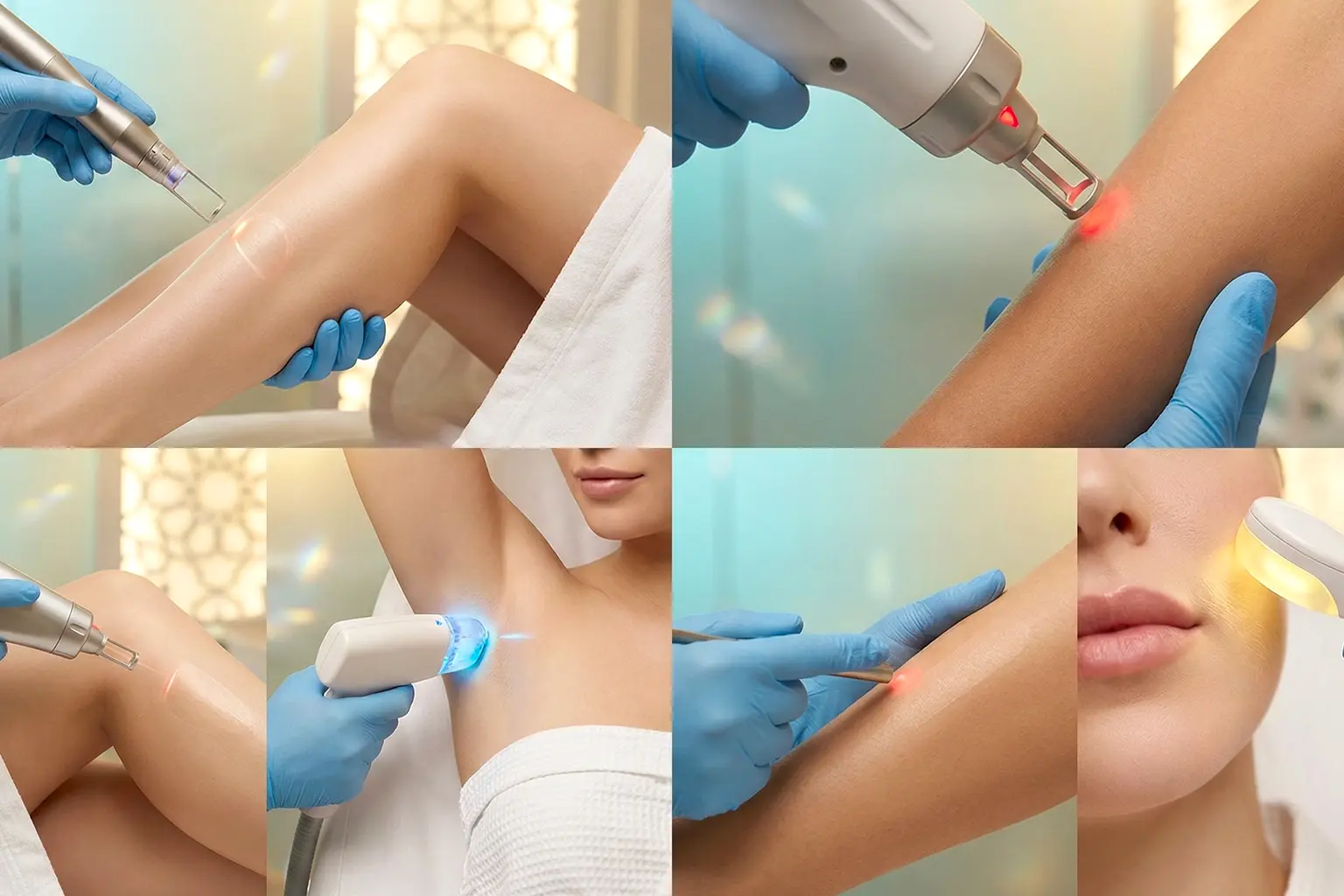
How Does Laser Hair Removal Work?
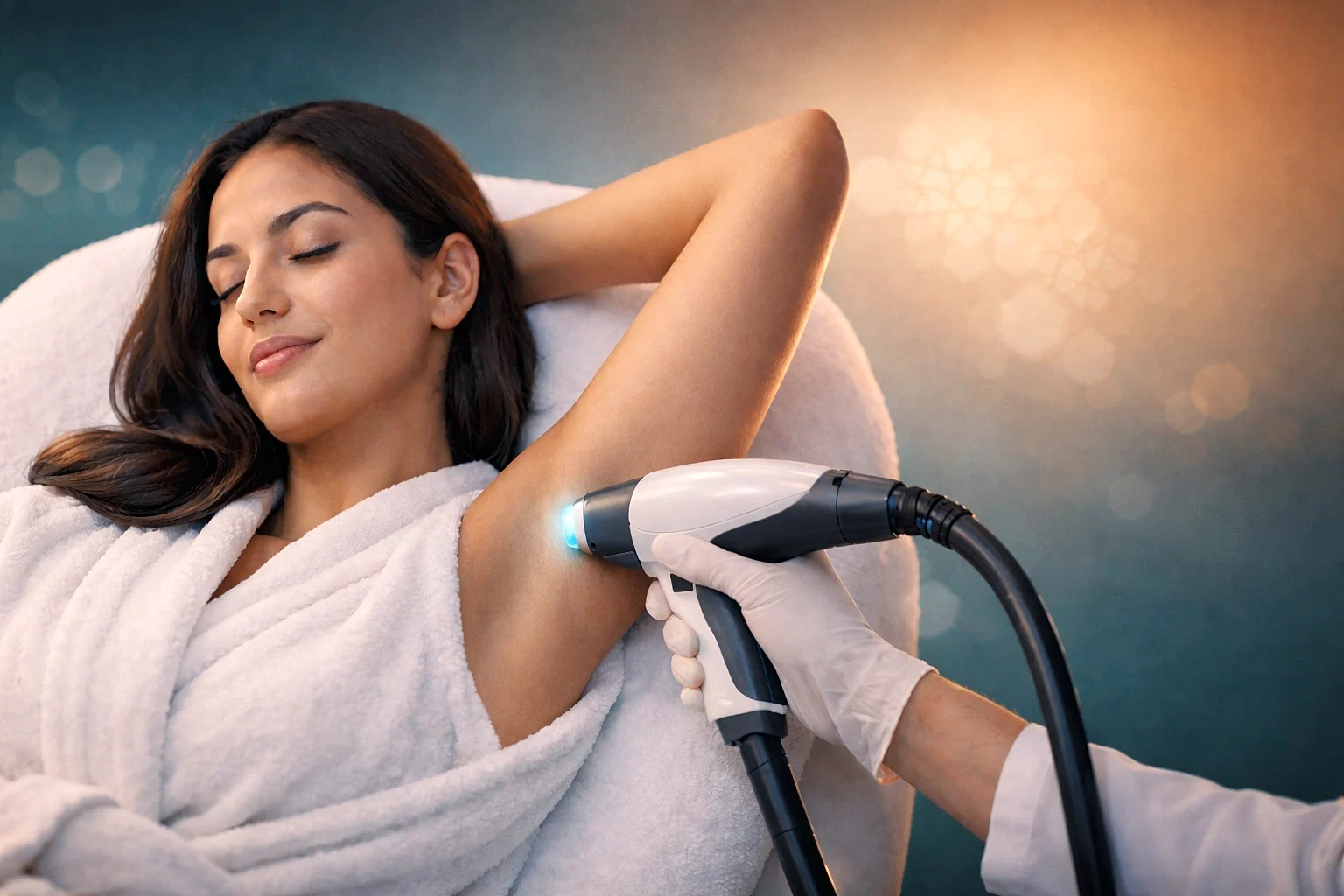
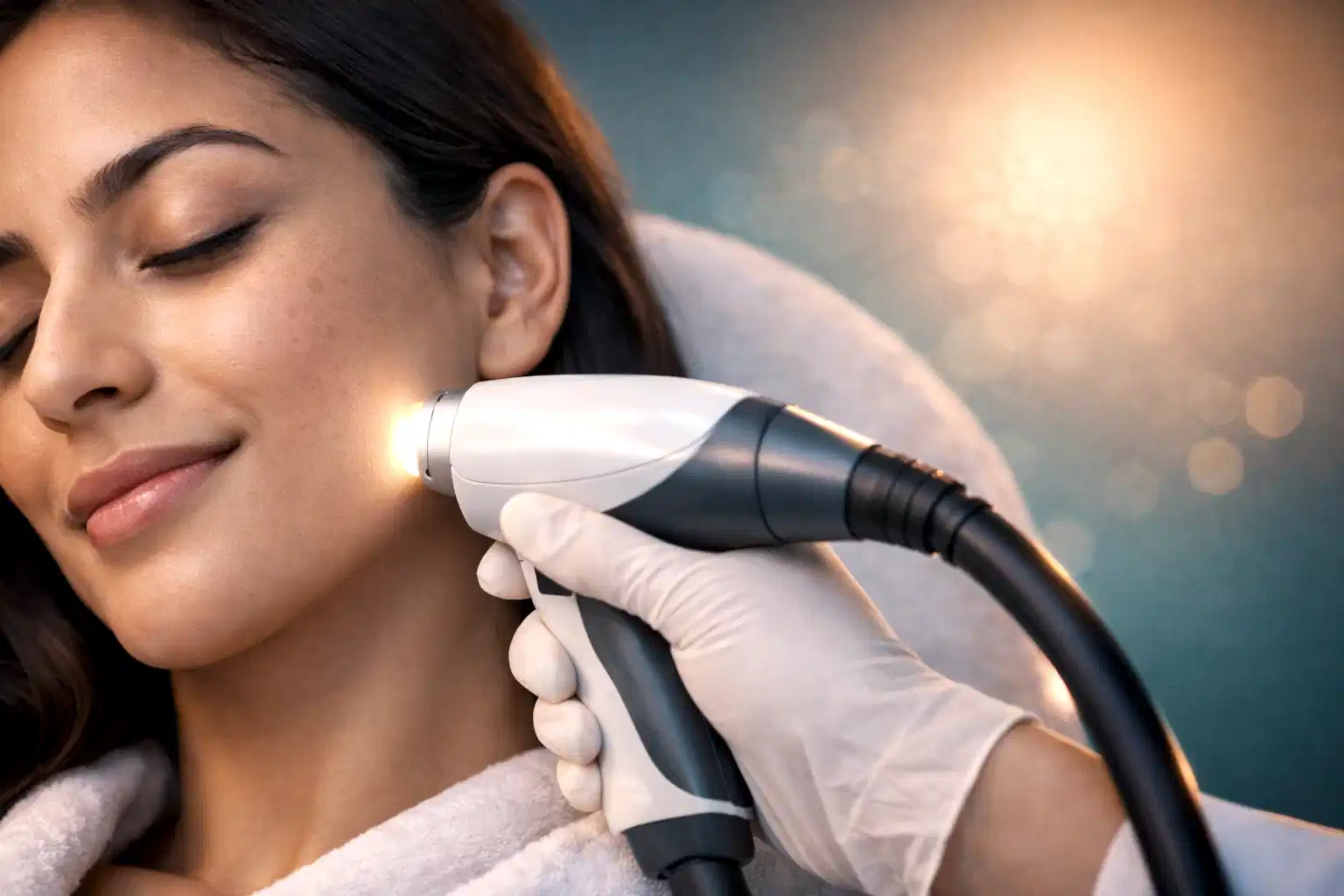
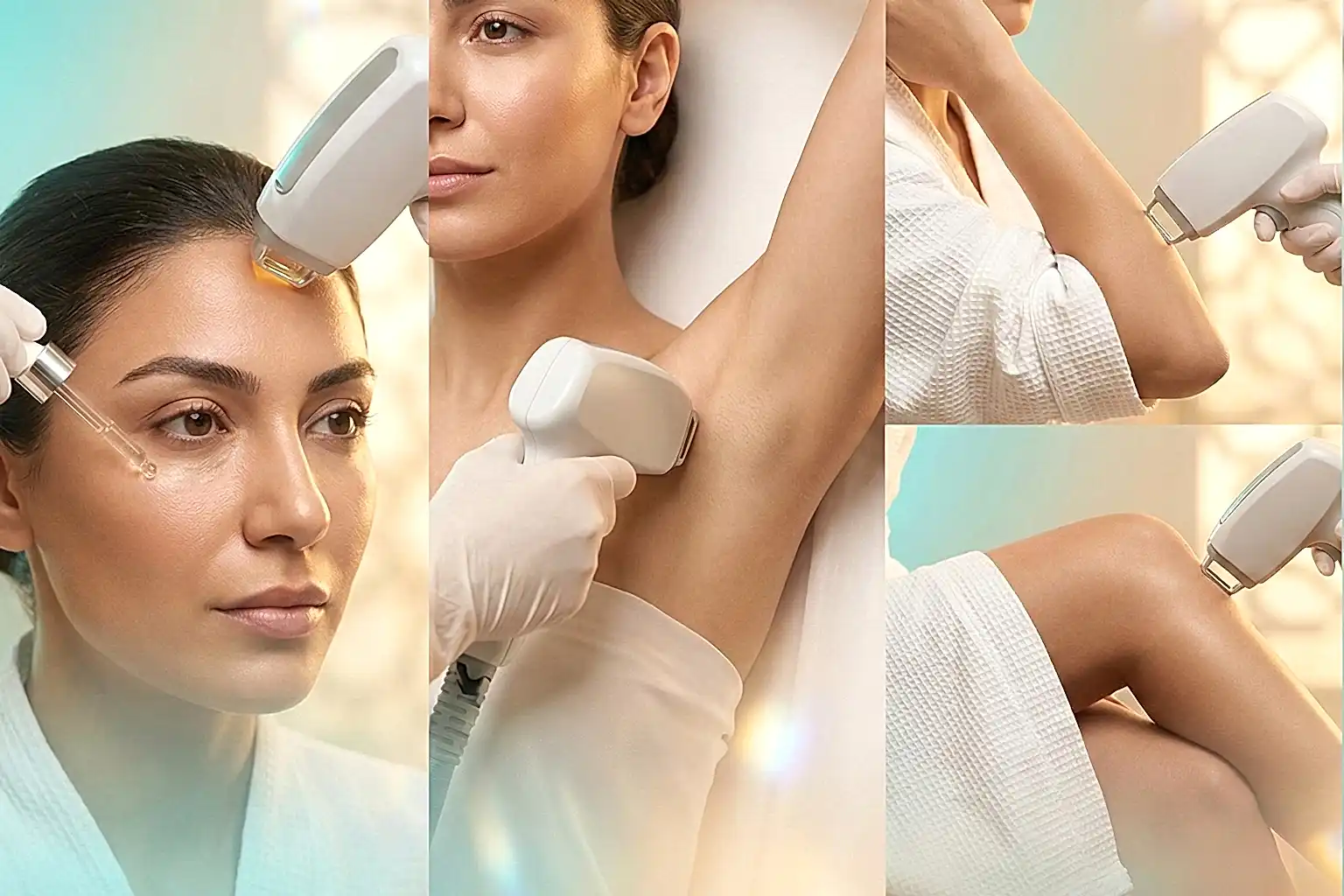
Laser hair removal is one of the most effective solutions that modern technology offers to the beauty world. This method works by targeting the melanin pigment and renders unwanted hairs ineffective at the hair root level.
Laser beams detect the melanin pigment in dark-colored hairs and reach the hair follicle by concentrating on this pigment. During this process, the hair root is damaged and future hair production is significantly reduced. After each session, hairs gradually become thinner and their numbers decrease.
Important note: Laser hair removal provides permanent hair reduction, but does not guarantee 100% hair elimination. This realistic approach helps set expectations correctly.
Who Is It Suitable For?
The success of laser hair removal application largely depends on skin type and hair structure. Light skin tone and dark hair combination yield ideal results because the laser beam detects melanin contrast more clearly.
Thanks to modern laser technologies, safe application is now possible on a wider range of skin tones. Expert physicians evaluate each patient's skin and hair characteristics and prepare a personalized plan. Age, hormone levels, and regional characteristics are also taken into account in this planning.
How Many Sessions Are Needed for Results?
The laser hair removal process is a journey that requires patience. Noticeable results are achieved with an average of 6-8 sessions, but this number varies by region. For example, the leg area may require fewer sessions, while the face area may require more sessions.
Hormonal factors are also important elements affecting the number of sessions. Especially in women, conditions such as menstrual cycle, pregnancy, or menopause can affect hair growth rate. Therefore, the treatment plan is kept flexible and revised when necessary.
Pain Sensation and Comfort
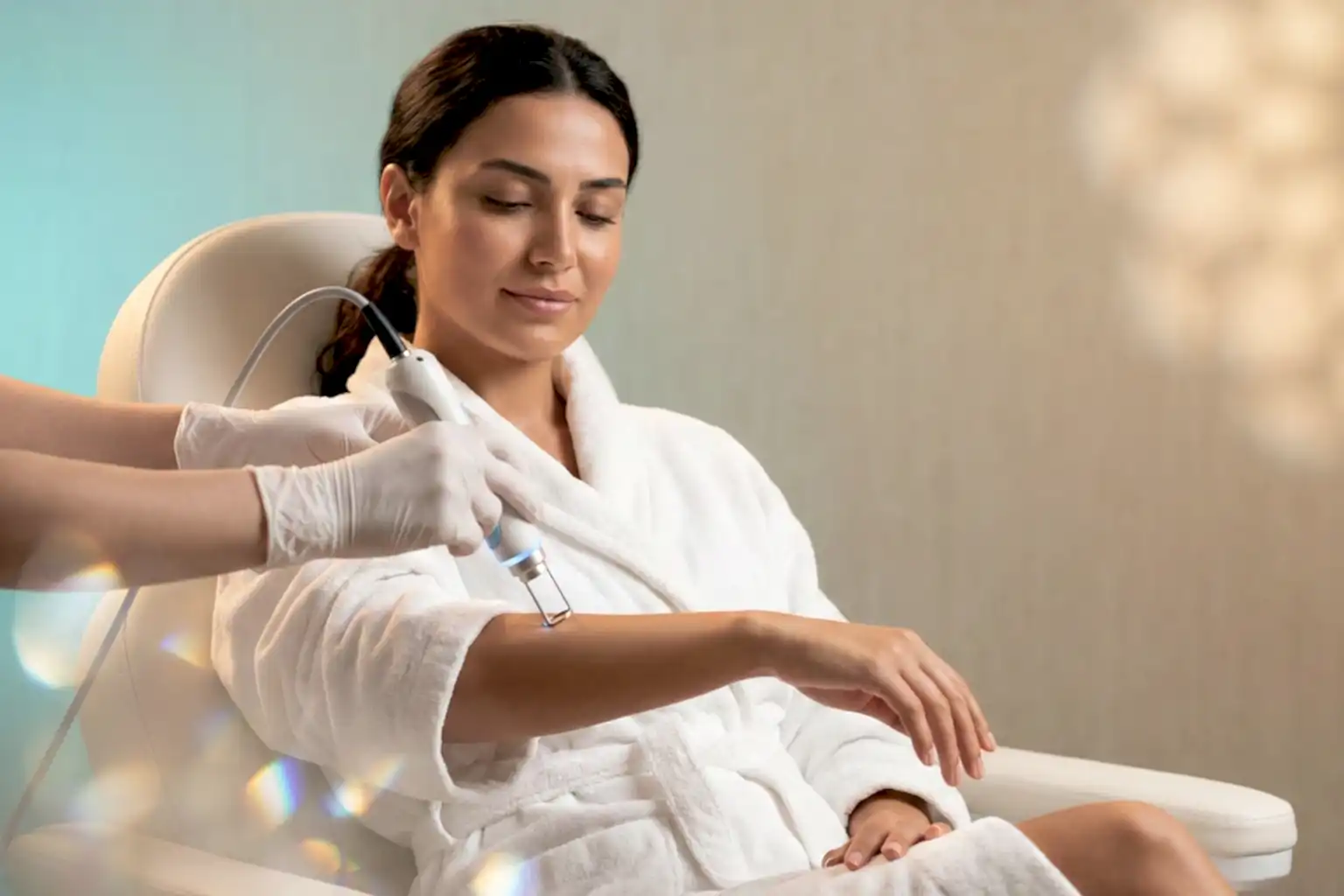
Modern laser hair removal devices are equipped with a cooling system. Thanks to this technology, comfortable application becomes possible and patients experience minimal discomfort. Most patients describe the laser hair removal application as a "rubber band pulling sensation".
Special protocols are applied for sensitive areas. Lower energy levels can be used in areas such as bikini line, underarms, and face. Cooling gel before and soothing creams after the laser hair removal application increase comfort levels.
Device Selection (Alexandrite – Diode/Ice – Nd:YAG)
In laser hair removal treatment, choosing the right device is the most critical factor in achieving successful results. Each laser technology works with different wavelengths, and device selection based on skin tone is vital for both safety and effectiveness.
Alexandrite laser works at 755 nm wavelength and provides excellent results in light-skinned patients. This technology is the most effective option for light skin types because it works at a wavelength where melanin absorption is high. It offers rapid application capability and ease of use in large areas.
Diode/Ice laser is a system working in the 808-810 nm range and can be safely used on medium-toned skin types. It is an ideal option for patients with olive skin structure. Thanks to the cooling system, it provides comfort during treatment and minimizes side effect risk.
Nd:YAG is a technology working at 1064 nm wavelength and can be safely applied on bronze skin and dark skin tones. Thanks to its deep penetration feature, effective results are achieved on thick and resistant hairs.
Before each treatment, a dermatologist evaluation is mandatory to determine the most suitable laser technology for the patient's skin type. During this evaluation, a safe dose calculation is made and a personalized treatment protocol is created.
Which Laser for Which Skin Type?
Fitzpatrick skin type classification is the basic guide in laser selection. This scientific approach helps determine the safest treatment method by evaluating skin color and sun response.
Light skin (Type I-II): Alexandrite laser technology is the first choice for these skin types. It can be safely applied at high energy levels and rapid results are obtained.
Olive skin (Type III-IV): Diode/Ice laser systems show optimal performance in this range. It provides safe and effective treatment with energy levels suitable for melanin density.
Bronze skin (Type V-VI): Nd:YAG technology can be safely used on dark skin tones. Effective hair reduction is achieved while keeping epidermal damage risk at a minimum level.
A detailed skin analysis performed before treatment ensures safe dose determination. A personalized treatment plan is created by taking into account each patient's individual characteristics.
Our Treatment Areas
Every application in our comprehensive treatment range that offers beauty and health together is a perfect combination of modern technology and traditional medical knowledge. While getting rid of unwanted hairs permanently with laser hair removal, you can effectively eliminate color changes in your skin thanks to spot treatment.
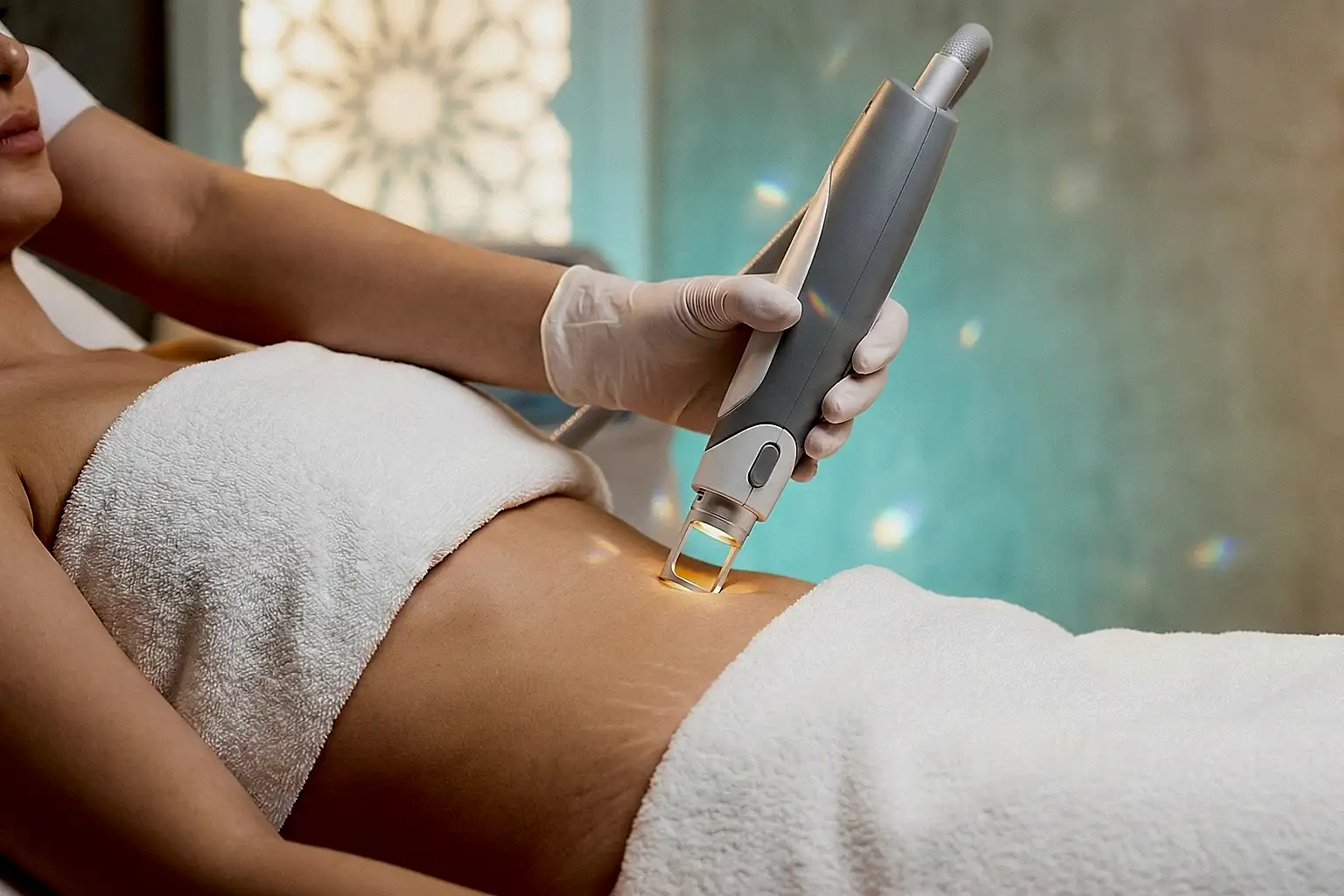
Our acne scar and pimple scar treatments to erase the marks of the past help you regain the smooth texture of your skin. While rediscovering your skin's natural beauty with scar, wound scar, and stretch mark treatments, you can soften expression lines on your face thanks to botulinum toxin applications.
While our skin whitening procedures help equalize your skin tone, golden needle and fractional RF technologies support deep renewal of your skin. While achieving a natural appearance with filler and facial rejuvenation applications, you can increase the health and density of your hair with hair treatments.
Our other laser applications and dermatology and medical aesthetic services respond to each individual's unique needs with personalized treatment plans. Our expert team determines the most suitable treatment methods for each patient to feel beautiful and confident.
Why Polyclinic / Dermatology Clinic?
Laser hair removal application should be performed only under expert doctor supervision as it is a medical procedure. Unlike beauty salons, detailed medical evaluation is performed for each patient in dermatology clinics, and the most suitable treatment plan is determined according to the person's skin type and medical history.
In our clinic environment, hygiene standards are maintained in accordance with international medical protocols. The laser devices we use undergo regular device safety checks and personalized dose adjustment is made for each patient. This approach both increases treatment effectiveness and minimizes possible side effects.
In terms of risk management, our expert dermatologist evaluates your skin at each session and detects any unwanted situation in advance. Thus, you experience a safe and successful treatment process.
Safety and Process Management
We perform a comprehensive pre-evaluation before treatment. In this evaluation, conditions that may create contraindications for laser hair removal are carefully examined. Skin sensitivity tests are performed to determine your skin's response to laser light.
By obtaining detailed information about your sunbathing habits and skin care routine, we personalize your treatment program. Inter-session and post-session care protocols are carefully planned for your skin's rapid healing and achieving optimal results.
We offer you the best service with our professional medical approach, keeping your safety in the foreground at every step.
Frequently Asked Questions (FAQ)
How many sessions does laser hair removal take?
Laser hair removal is usually completed in 6-8 sessions, but this duration may vary according to the person's hair structure, skin type, and region. Hormonal factors and genetic characteristics also affect this process. Being patient and not missing regular sessions is critical for permanent results.
Does laser hair removal hurt?
Thanks to modern laser technology, minimal discomfort is experienced. Most patients describe it as a "slight hit with a rubber band" sensation. Comfort is maximized by using cooling systems in sensitive areas. Special measures can be taken for patients with low pain tolerance.
Can laser hair removal be done during pregnancy?
Laser hair removal is not recommended during pregnancy. Since hormonal changes affect hair growth cycle, results may not be optimal. In terms of safety, waiting until after the breastfeeding period is the most correct approach. Alternative methods can be preferred during this process.
When does shedding occur after laser hair removal?
After the laser application, the natural shedding process of hairs begins within 7-14 days. This is a completely normal process and indicates that the laser treatment is successful. Do not pull the hairs to speed up shedding, wait for the natural process to complete.
Can laser hair removal be done in summer?
Laser hair removal can be safely applied in all seasons. However, sun protection is critical in summer months. After treatment, SPF 30+ protection should be used for at least 4 weeks and direct sunlight should be avoided. Consult with your doctor about timing before planned vacations.
Why is laser difficult in the face area?
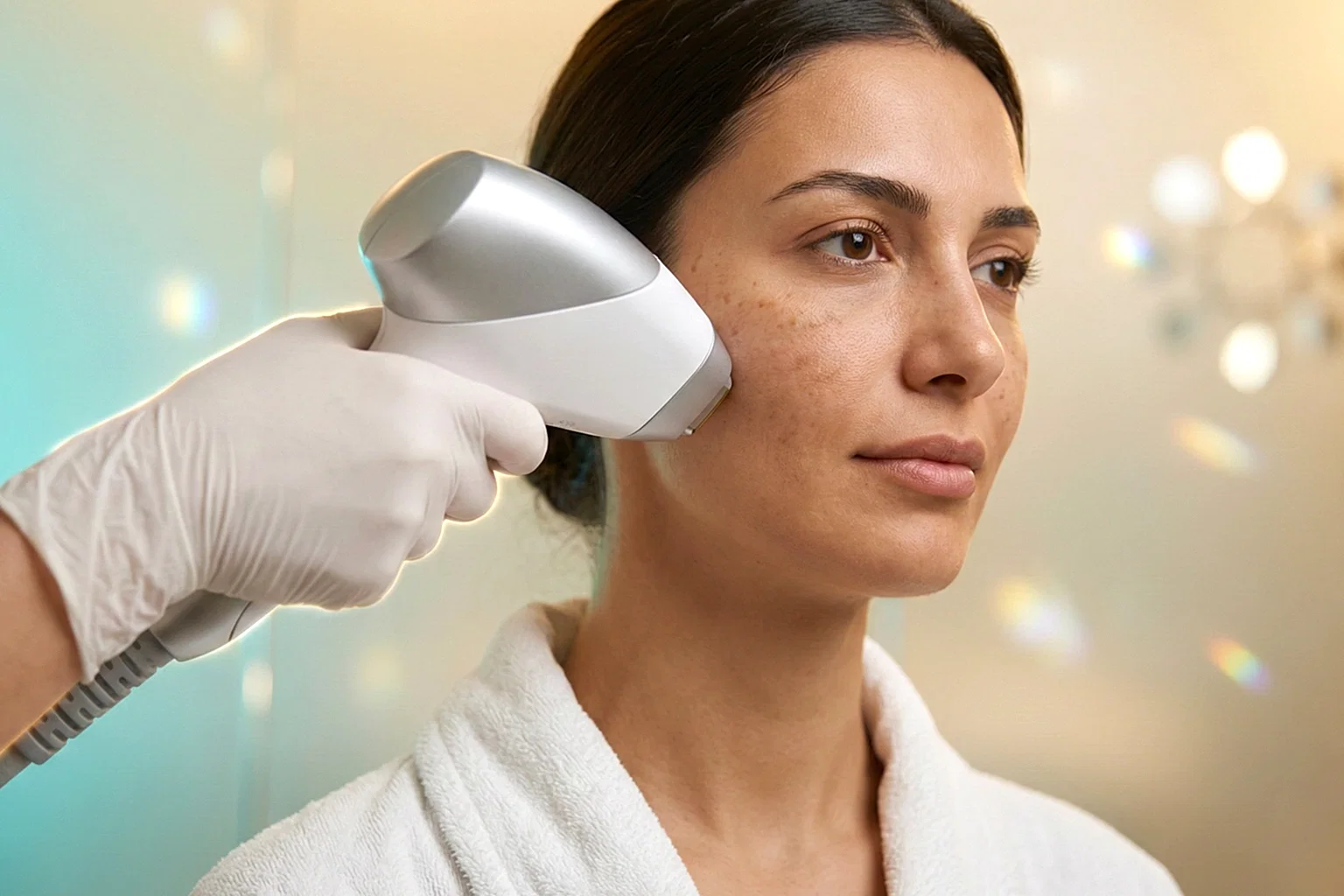
The face area has sensitive skin structure and fine hair tissue. Hormonal changes affect this area more and there is a risk of paradoxical hair increase. Experienced expert doctor selection and appropriate device use are critical in this area.
Is shaving necessary, why not waxing?
Shaving before laser is mandatory because laser targets melanin in the hair root. Since waxing or epilator removes the hair root, laser becomes ineffective. Shaving with a razor 24-48 hours before the session provides optimal results.
Which device is suitable for me?
Device selection is determined according to skin type, hair color, and region. Alexandrite laser is ideal for light skin, Nd:YAG laser is ideal for dark skin. Expert doctor consultation is essential for a personalized treatment plan. Modern clinics offer multiple device options.
Laser Hair Removal Prices in Ankara 2026
As of 2026, Ankara laser hair removal prices are determined according to the size of the application area, hair density, number of sessions, and the laser technology used. Since each patient's skin and hair structure is different, pricing becomes clear after personalized evaluation.
As a general guide, the average price ranges for laser hair removal in Ankara in 2026 are as follows:
The number of sessions generally varies between 6–8 sessions; however, this duration may extend depending on hormonal factors, hair structure, and the area where the application is made. The laser device used (Alexandrite, Diode/Ice, Nd:YAG) and the procedure being performed under dermatologist supervision also play a determining role in pricing.
Information: The prices listed here are for general information purposes. Exact pricing is determined after free pre-evaluation and skin-hair analysis.
This information is for general information purposes. Please contact our clinic for exact price information.
Laser Hair Removal Options in Ankara
When choosing among the many centers that apply laser hair removal in Ankara, the main points to consider are:
- The brand and wavelength of the device used
- Whether the application is performed under doctor supervision
- Whether the device is FDA-approved
Low prices alone should not be a criterion. Fewer sessions with quality devices can mean lower costs in the long run. Ankara laser hair removal centers.
FAQ – Frequently Asked Questions
Home-use devices are low-powered. Although they may provide temporary thinning in hairs, permanent results require professional laser hair removal systems.
No, laser hair removal devices emit light energy, not radiation, and are not carcinogenic. They penetrate a maximum of 3mm into the skin surface and do not affect internal organs.
Although it does not directly harm the baby, laser hair removal is not recommended during pregnancy due to hormonal variability.
Hairs in the face area are finer and lighter in color. Therefore, more sessions may be required and the laser hair removal success rate is lower compared to the body.
Yes, it is recommended to apply moisturizing and soothing cream to the area after the laser hair removal procedure. It is important to use 50+ SPF protection to avoid sun exposure.
After the laser hair removal application, we apply moisturizing creams, we recommend not washing this cream for 2 hours. You can wash after 2 hours, but hot water, scrubbing, or peeling are not recommended. You can wash with lukewarm water.
Studies show that laser hair removal can be safely performed from age 9. It is most commonly applied from age 14. However, the ideal period is the post-puberty period (17-18 years) when hormonal balance is established. The younger the age, the more sessions are required.
 Call
Call
 Whatsapp